
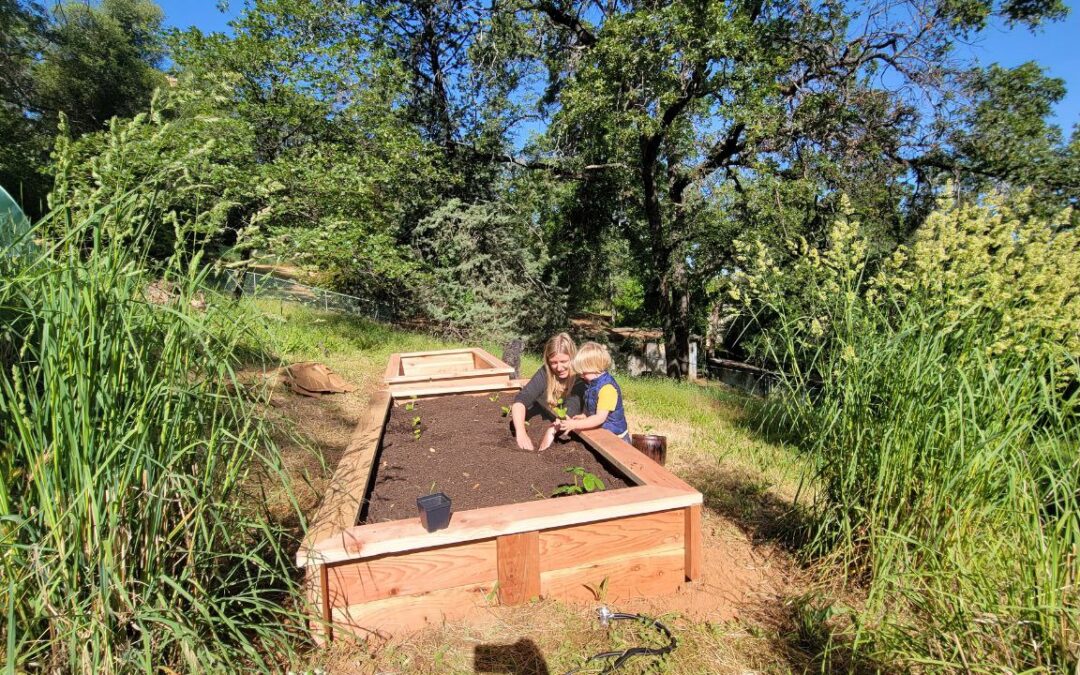
Building a raised garden box doesn’t have to mean buying dozens of expensive compost bags. In fact, you can create a long-lasting, nutrient-rich 4’ x 8’ garden box using natural materials from your own property.
A standard 4×8 raised bed can require 12+ bags of compost and soil, which adds up quickly. Instead, this layered method reduces cost, improves soil health, and increases water retention — all while recycling organic material you already have.
Below is a step-by-step guide to building a durable, productive raised garden bed.
Why Use the Layered Garden Box Method?
This method (similar to hügelkultur-style gardening) offers several advantages:
-
Lower upfront soil costs
-
Improved moisture retention
-
Long-term nutrient release
-
Healthier soil biology
-
Reduced watering needs
-
Better drainage
Here are the five essential layers for building a long-lasting garden box.
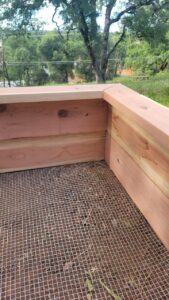
1. Metal Netting (Pest Protection Layer)
Start by installing galvanized hardware cloth or cage wire at the bottom of the box.
Why it matters:
-
Prevents gophers, moles, and voles from burrowing into the bed
-
Protects root systems from underground pests
-
Extends the life of your garden
2. Cardboard (Weed Barrier & Worm Booster)
Add a layer of plain cardboard directly above the metal mesh.
Benefits:
-
Suppresses weed growth naturally
-
Breaks down over time
-
Encourages worms and beneficial soil organisms
Make sure the cardboard is plain brown without glossy coating, tape, or heavy ink.
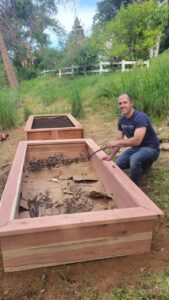
3. Wood, Branches & Sticks (60% of Fill)
This is the core of your raised bed and should make up approximately 60% of the total fill.
Use:
-
Large logs at the bottom
-
Medium branches
-
Smaller sticks layered on top
Why wood is powerful:
-
Slowly decomposes over years
-
Acts like a sponge, holding moisture
-
Reduces watering frequency
-
Improves soil structure long-term
-
Encourages beneficial fungi and insect life
This layer creates a self-sustaining ecosystem inside your garden box.
4. Leaves, Grass Clippings & Kitchen Scraps (25% of Fill)
The next layer should make up about 25% of the bed.
Use:
-
Dry leaves
-
Grass clippings
-
Vegetable kitchen scraps
Important:
Do not include:
-
Meat
-
Bones
-
Dairy
-
Grease
-
Cooked food
-
Eggs
These materials attract rodents and wildlife.
This layer provides quick nutrients as it decomposes and feeds your plants during the first growing season.
5. Compost & Topsoil (15% of Fill)
The final layer (about 15%) should be quality compost mixed with topsoil.
This is where your plants will establish their root systems. Using a good compost blend ensures strong early growth.
We started planting strawberries and zucchini in ours with great success.
Additional Considerations for Rural Gardeners
Your garden setup may vary depending on your location.
We live in the foothills of El Dorado County, where deer have already ruined our peach trees and tomatoes.
Wildlife Protection Tips:
-
Install an 8-foot tall fence to deter deer
-
Secure fencing at ground level to prevent digging
-
Be aware of local wildlife (neighbors recently reported bear activity in our area)
Our first year without fencing resulted in deer eating the entire garden. Proper protection is just as important as proper soil layering.
Final Thoughts
A well-built 4×8 raised garden box using natural layered materials:
-
Saves money on soil
-
Improves water efficiency
-
Builds healthier soil over time
-
Supports sustainable gardening practices