
If you’re doing interior painting, protecting your lungs should be just as important as protecting floors and furniture. Many homeowners and contractors underestimate paint fumes — especially when working indoors.
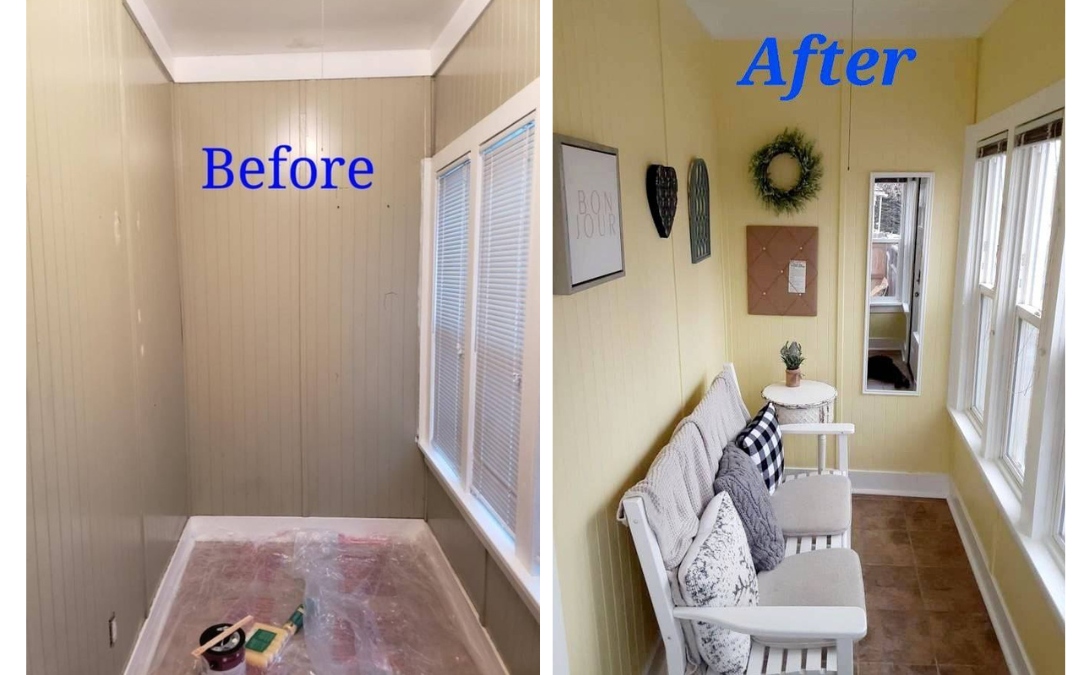
During a recent interior paint job inside a client’s home in Placerville, I learned firsthand why using the correct respirator matters.
The Problem with Using a Surgical Mask for Painting
At the time, I used a standard surgical mask to protect myself from paint fumes. Interior paints release Volatile Organic Compounds (VOCs) — gases emitted as paint dries.
While the surgical mask slightly reduced the intensity of the smell, it was not adequate protection.
That evening, I felt lingering chemical irritation in my nasal passages. Although my sense of taste and smell remained normal, the discomfort lasted until the next morning.
That experience made one thing clear:
A surgical mask is not designed to filter VOC fumes.
Understanding VOCs in Interior Paint
VOCs (Volatile Organic Compounds) are commonly found in:
-
Oil-based paints
-
Some latex paints
-
Primers
-
Stains
-
Sealers
Exposure to VOCs can cause:
-
Headaches
-
Dizziness
-
Respiratory irritation
-
Eye irritation
-
Long-term health risks with repeated exposure
Even when using low-VOC or water-based paint, ventilation and proper respiratory protection are still important.
Choosing the Right Mask for Interior Painting
After that job, I researched proper respirators. There are essentially three levels of protection when it comes to paint fumes.
1. Basic Protection: N95 Disposable Mask
An N95 respirator is much better than a surgical mask. It filters airborne particles like dust and sanding debris.
However:
-
N95 masks are not designed to filter VOC fumes
-
They are better for drywall sanding than for paint vapors
2. Better Protection: Half-Face Respirator with P100 Filters
The middle option is a half-face respirator equipped with P100 respirator filters.
These provide:
-
Strong particulate filtration
-
Better sealing around the face
-
Improved comfort for longer jobs
For occasional interior painting, this is a practical and effective option — especially when combined with proper ventilation.
This is the option I chose.
3. Best Protection: Full-Face Respirator
For heavy spray painting or chemical exposure, a full-face respirator like the 3M 6800 Full Face Respirator offers the highest level of protection.
Benefits include:
-
Full respiratory protection
-
Eye protection
-
Better sealing
-
Designed for professional, high-exposure environments
These typically range from $110 to $299 depending on filters and configuration.
For someone who paints daily or spray paints indoors, this level of protection makes sense.
Is It Worth the Investment?
Absolutely.
I don’t advertise painting as a primary service, but when clients request it and my schedule allows, I accept the job. Because I don’t paint every day — and I plan to use low- or no-VOC water-based paints whenever possible — the half-face P100 respirator made the most sense for me.
Masks aren’t always comfortable. I’ve worked alongside people who painted with no protection at all. But protecting your lungs now is far better than dealing with serious health issues later.
Spending money on proper safety equipment is an investment in your long-term health.
Final Thoughts on Interior Painting Safety
If you’re painting indoors:
-
Use proper ventilation
-
Choose low- or no-VOC paints when possible
-
Wear the correct respirator for the job
-
Don’t rely on a basic surgical mask
God gave you beautiful lungs. Protect them.